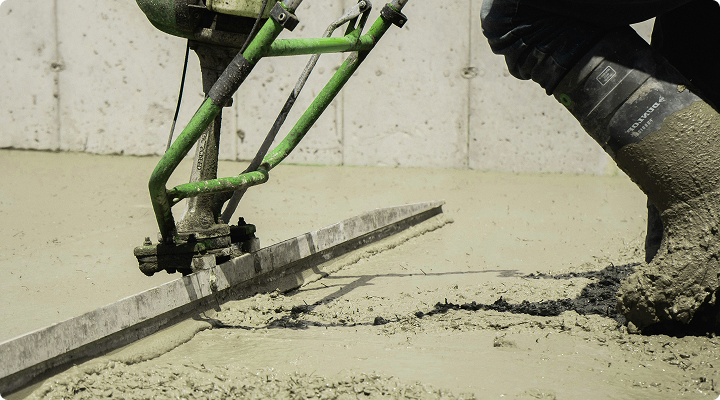




Industrial floors
Industrial floors are specially designed to withstand tough industrial conditions.
Industrial flooring is a specialised type of flooring designed to withstand the demanding conditions in industrial environments such as factories, warehouses, production environments and workshops.
Unlike floors in homes and offices, industrial floors have to meet strict requirements in terms of durability, safety and ease of maintenance, as they are often exposed to heavy machinery, chemical loads and high foot traffic.
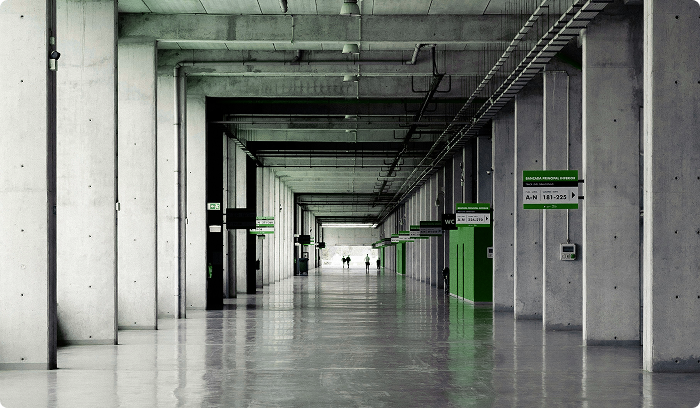
Important aspects for industrial floors
Sustainability
One of the most important factors in industrial flooring is its ability to withstand heavy wear and tear. Materials such as concrete, epoxy resin and polyurethane are often used because of their high resistance to impact, abrasion and heavy loads.
Floors in industrial environments must be strong enough to support heavy equipment, forklifts and constant movement without cracking or deteriorating.
Chemical resistance
In many industries, floors are exposed to aggressive chemicals, oils and solvents. Industrial flooring materials are often chosen based on their resistance to corrosion and chemical damage. Epoxy coatings, for example, provide a protective layer that can prevent chemical penetration, extending the life of the floor.

Safety
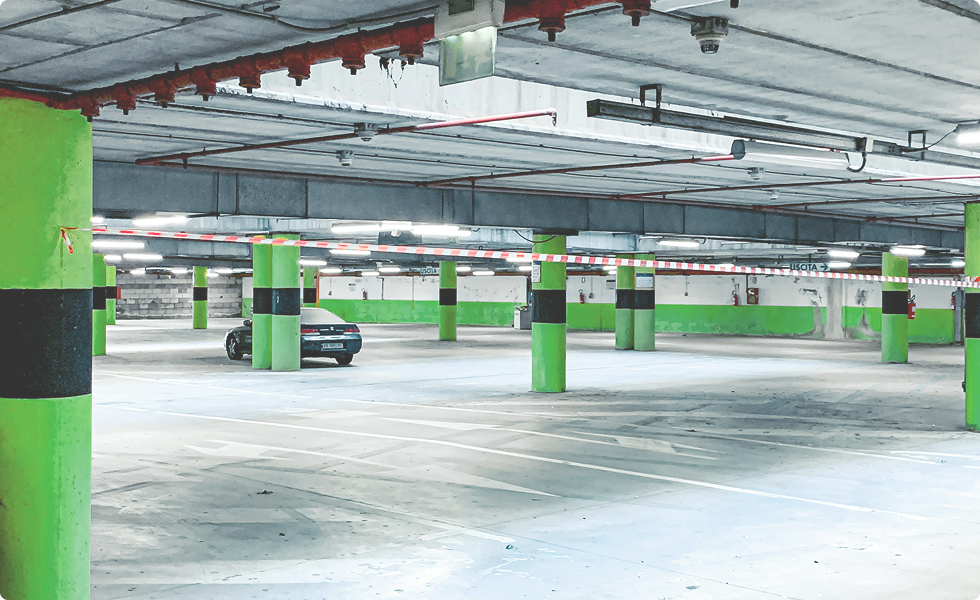
Safety is paramount in industrial environments, where slips, trips and falls can lead to serious injuries. Anti-slip surfaces, such as textured concrete or specially formulated anti-slip coatings, are essential to minimise these risks. In addition, industrial floors often include bright colours or markings to indicate safe walking routes, hazardous areas or areas for machine operation.

Ease of maintenance
Cost-effectiveness
Industrial floors must be easy to clean and maintain to ensure a hygienic and safe working environment. Many industrial flooring systems are designed to be stain-resistant and easy to clean, even with the frequent use of industrial cleaners. Smooth, seamless surfaces such as epoxy and polished concrete are sought after for their ability to prevent dirt and bacteria build-up.
Although the initial installation of industrial flooring can be more expensive than other types of flooring, long-term benefits often outweigh the costs.
A well-chosen industrial floor can last for decades with minimal repairs, reducing downtime and maintenance costs over time.
Types of industrial floors
Epoxy flooring
Epoxy is one of the most popular materials for industrial floors
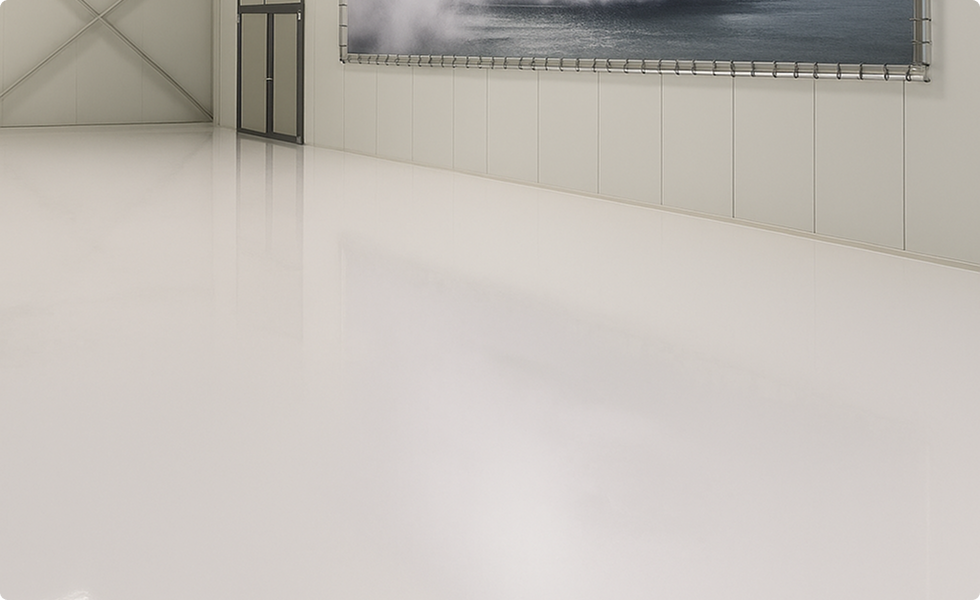
because of its versatility and durability. It creates a seamless, high-gloss finish that is not only visually appealing but also highly resistant to chemicals, impact and wear. Epoxy floors can be customised with different colours, patterns and textures to meet specific needs.
Polished concrete
Known for its strength and low maintenance requirements, polished concrete is a cost-effective option for large industrial spaces. The polishing process gives the concrete a smooth, glossy surface that can withstand heavy traffic and is easy to clean. Polished concrete floors can also be treated with densifiers to increase their hardness and durability.

Polyurethane floors
Polyurethane cement
Polyurethane floors offer excellent flexibility and impact resistance, making them ideal for areas with high foot traffic or where vibration from machinery is a concern. They also offer good chemical resistance and are available in a variety of finishes, including matt and gloss.
The polyurethane resin technology offers floors exceptional
resistance to aggressive chemicals, extreme mechanical and thermal shocks, resulting in a durable and long-lasting flooring solution. Key sectors where this technology is used include food processing, beverage processing, dairy, pharmaceutical and personal care, chemical and
related industries, electronics and engineering, munitions manufacturing and transport.
Antistatic floors
In industries where static electricity can pose a risk, such as electronics manufacturing, anti-static floors are essential. These floors are designed to dissipate static charges, preventing damage to sensitive equipment and reducing the risk of fires or explosions.

Conclusion
Industrial flooring plays a crucial role in ensuring the safety, efficiency and longevity of industrial spaces. By choosing the right type of flooring, companies can protect their assets, improve safety and minimise maintenance costs. Whether it is the durability of epoxy, the flexibility of polyurethane, or the strength of polyurethane cement, the right industrial flooring solution can make a significant difference in the performance and safety of an industrial environment.